
The Six Poses of Time: A Journey Through China's Tea Types and Human Life
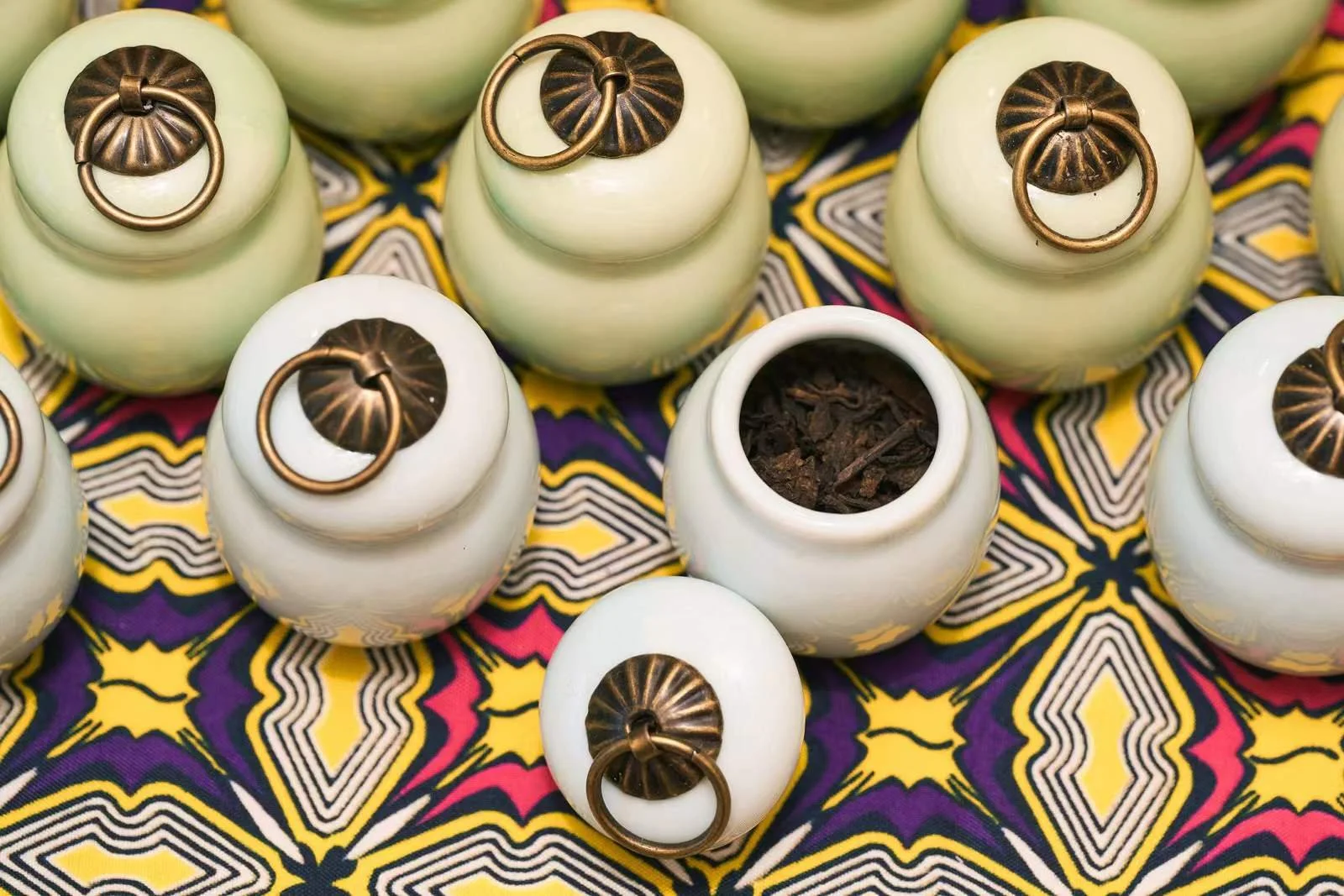
Dark green tea(黑茶)
Translated with permission from the original work by Rednote blogger: @爱喝茶的蓉姐姐 (Ài Hē Chá de Róng Jiějie)
The six types of tea are, in reality, six poses of time. And those who understand tea will come to realize: the meaning of life lies not in how quickly we mature, but in our ability to remain sweet, even through time.
In our world, nothing is as fair as time. It transforms sharpness into smoothness, restlessness into tranquility. It also guides a tea leaf on a complete journey—from fresh green to profound dark—revealing the beautiful philosophy behind Chinese tea culture.
China's six major types of tea—green tea, white tea, yellow tea, oolong tea, black tea, and dark tea—are categorized by their oxidation levels, a fundamental aspect of tea fermentation and brewing. Regardless of the tea variety or its terroir, their distinctions are essentially an art shaped by time and temperature, gently polished by the hands of time.
If we compare them to human life, these six tea types resemble six distinct stages of growth—from youth to old age, from innocence to wisdom. The fermentation process in tea mirrors the passage of time in our lives, forming the very backdrop of our personal evolution.
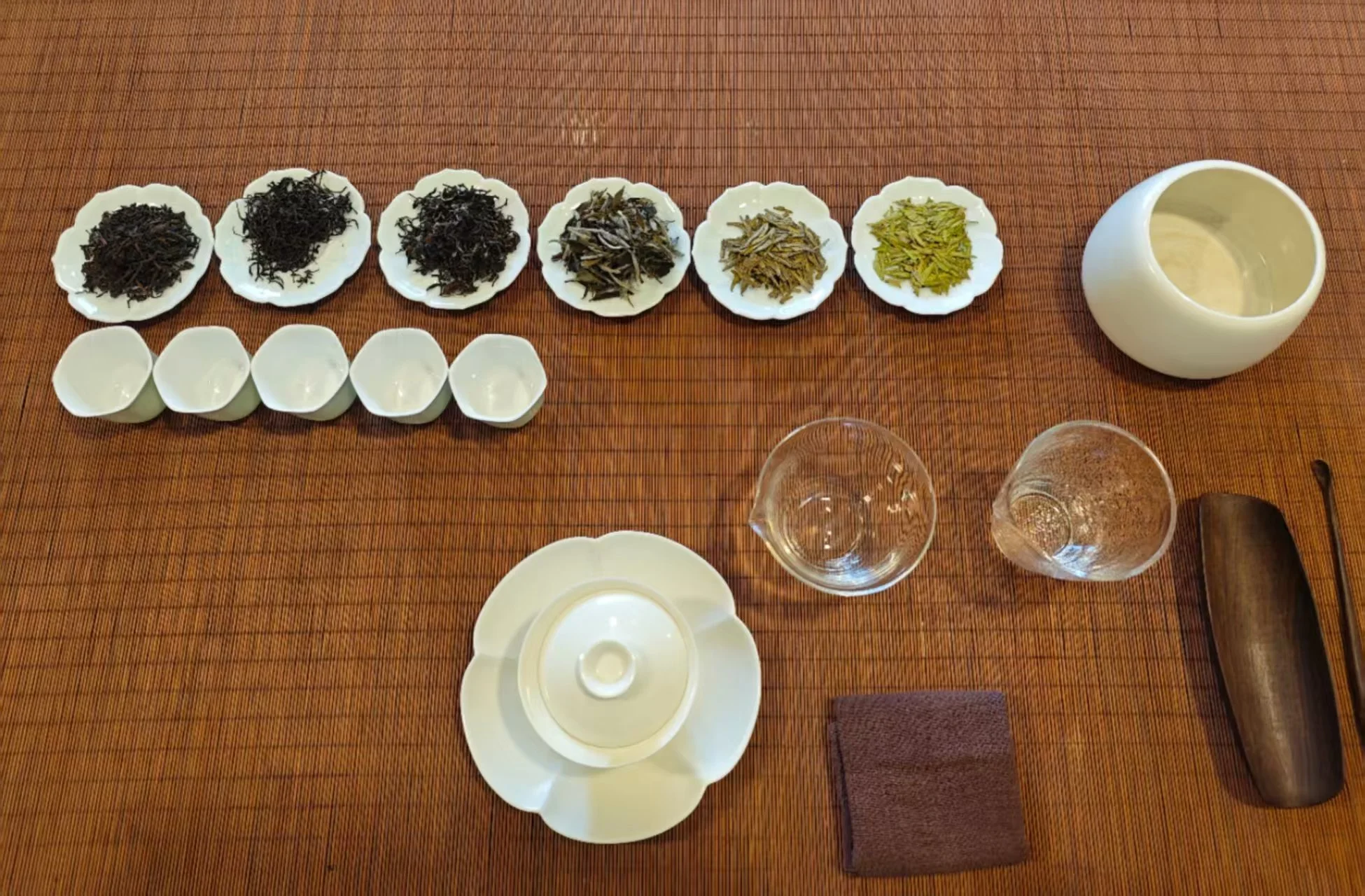
Six types of Chinese tea:green tea,white tea,yellow tea,oolong tea,black tea,dark green tea
Green Tea: Youth, an Unblemished Heart
As an unoxidized tea, green tea preserves the maximum freshness and delicate fragrance of the leaf. It represents tea in its most primitive form, much like youth—bright, clear, and unguarded. A cup of Longjing or Biluochun carries the breath of spring, embodying a pure curiosity about the world. Mastering green tea brewing means capturing that fleeting, vibrant freshness.
The taste of green tea is immediate yet memorable. Like youth itself, it may lack depth but overflows with potential. That clarity, unaltered by time, represents life's most precious foundation.
White Tea: Young Adulthood, the Gentleness of Restraint
As a lightly oxidized tea, white tea understands time's warmth and restraint's power. Neither roasted nor rolled, it's gently dried by sunlight and time, allowing its aroma to unfold gradually. This resembles young adulthood—the stage where one begins to understand life's rhythms, learning to wait and embracing "slowness." White tea brewing is simple yet profound, embodying the essence of tea meditation.
White tea teaches us that not every effort needs to be intense. Quiet growth possesses its own strength. As an ancient saying goes, "The best way to live is with a gentle heart."
Yellow Tea: Early Middle Age, Mastering Balance
This lightly oxidized tea combines green tea's freshness with a layer of mild sweetness. It marks the transition from youth to maturity, much like middle age—a stage of learning balance and moderation.
The yellow tea process, particularly the "men huang" (yellowing) stage, requires patience, skill, and precision. Growth isn't linear but a process of trial, adjustment, and balance. Only after undergoing "yellowing" can the leaves develop their unique, mellow fragrance—a truth understood only through life experience.
Oolong Tea: Maturity, Layered and Vibrant
As a semi-oxidized tea, oolong offers complex aromas and rich flavors. It's neither as sharp as youth nor as heavy as old age, finding harmony in the "middle path." The gong fu tea ceremony often features oolong, highlighting its depth and making it ideal for those exploring advanced tea brewing techniques.
Oolong's fragrance resembles someone who truly understands life: steady within, yet vibrant without; disciplined yet free-spirited. It doesn't seek to be entirely "green" or "black" but embraces the world's complexity and its own multifaceted nature. This defines maturity—the ability to embrace contradictions while living with warmth and vitality.
Black Tea: Time's Richness and Warmth
Being fully oxidized, black tea develops a deep aroma and amber liquor. Time completely transforms its flavor, much like the life stage where wisdom accumulates. It no longer seeks to stand out but embraces the world with gentle warmth. While Western tea culture often enjoys black tea with milk or sugar, traditional Chinese tea tasting values its pure, robust character.
Black tea's aroma offers gentle comfort—as if time itself is whispering: only after tasting bitterness can we truly appreciate sweetness. In life's later stages, being as warm and gentle as black tea, undisturbed by external chaos, represents true fulfillment.
Dark Green Tea: Old Age, Ease and Profound Wisdom
As a post-fermented tea, dark tea requires time to mature. Varieties like Pu'er or Fu Zhuan grow richer and more fragrant with age—similar to life's later years, where there's no rush or restlessness, only peace and depth. For tea connoisseurs, aged pu'er represents the pinnacle of tea storage and tasting expertise.
This reflects the calm and wisdom that emerge after weathering life's storms. True value lies not in immediate intensity but in the lingering sweetness that time reveals.
From green to dark, we witness the life of tea and the journey of a person.
From freshness to mellowness, we see time's work and the heart's practice.
Each oxidation level represents a practice in "letting go": releasing youthful sharpness, impatience, and the need to prove oneself.
Ultimately, time makes tea more fragrant while teaching us the meaning of "slowness."
Tea's transformation relies not on external forces but solely on time.
The same holds true for life. Those seemingly endless waits are actually brewing your unique "sweet aftertaste."
When you allow yourself to be steeped by time and fermented by life experiences, you too will become a cup of tea that brings comfort—no longer scalching hot, but perfectly warm;
no longer loud, but profoundly deep.
The six tea types are, in essence, six poses of time. Those who understand tea eventually realize: life's meaning lies not in how quickly we mature, but in our capacity to remain sweet, even after time's passage.
A Journey from Reading to Tasting
If this poetic journey through the six teas has touched your heart, why not embark on a sensory adventure to taste their true essence?
In our Six Major Chinese Tea Tasting Course, the philosophy you've read about comes to life. Under the guidance of our experienced tea master, you will not just hear, but see, smell, and taste the distinct character of each tea type—from the fresh grassiness of Green Tea to the profound earthiness of Dark Green Tea.
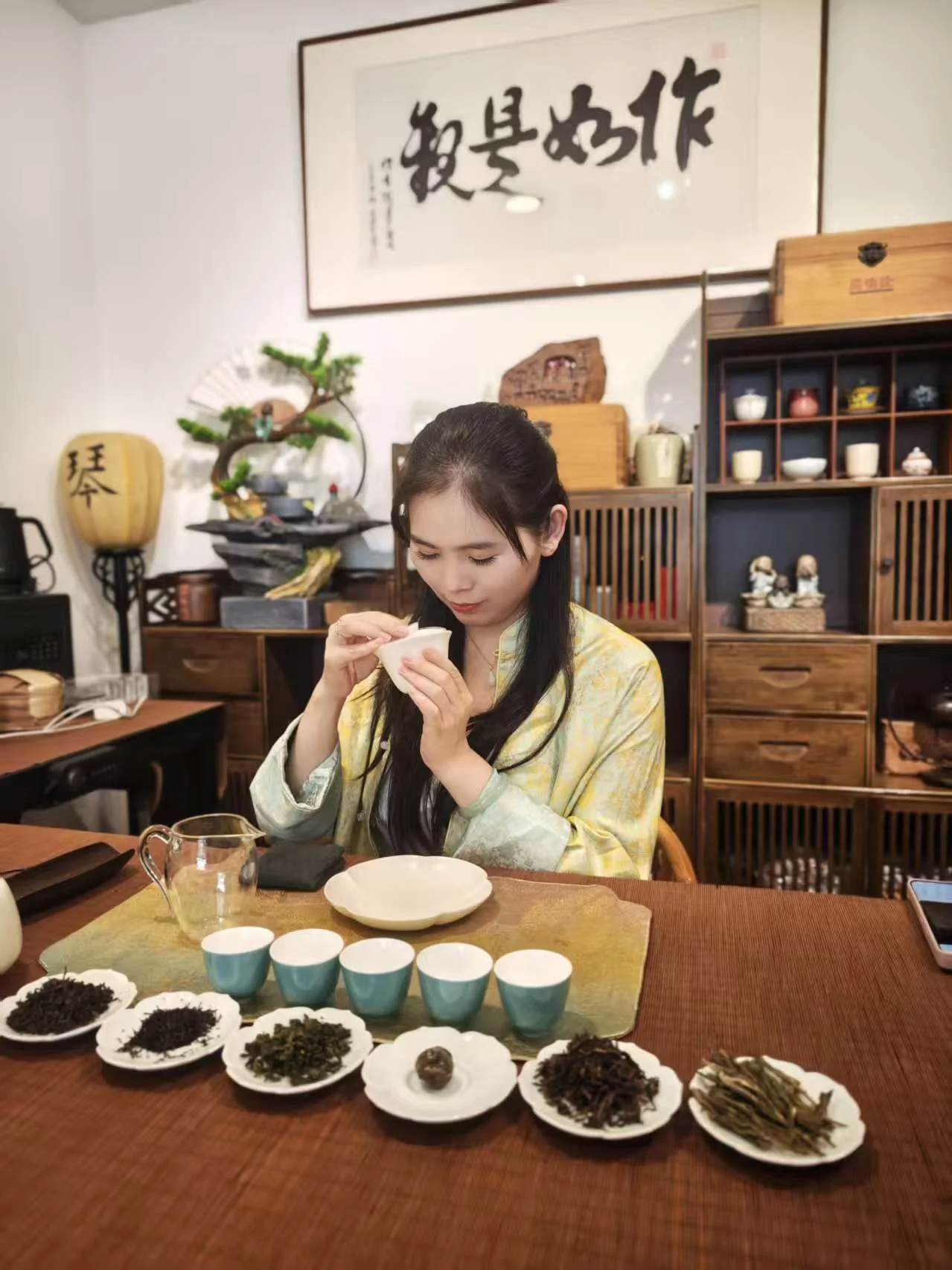
A tea artist, much like the one in the images here, gracefully presenting all six teas before you, unveiling the story in each leaf through a live brewing demonstration. This is your opportunity to move beyond words and truly understand the "art of time" we've shared.
Join us to unlock the secrets behind each brew. Let your senses be your guide as you transform your curiosity into a lasting skill.
Book Your Tea Tasting Session Today!
Ready to embark on a serene journey through the six major types of Chinese tea and impress your friends with your new knowledge? Contact us now to secure your spot in our next tea masterclass. Unlock the secrets behind each tea's unique character and master the art of brewing the perfect, soul-warming cup.
Connect with us:
Email: aiba1762138@gmail.com
Phone/WhatsApp: +8617621382988
WeChat: kerr1224
We welcome you to secure your spot for an unforgettable experience.