
When Dumplings Become Part of a New Beginning in Shanghai
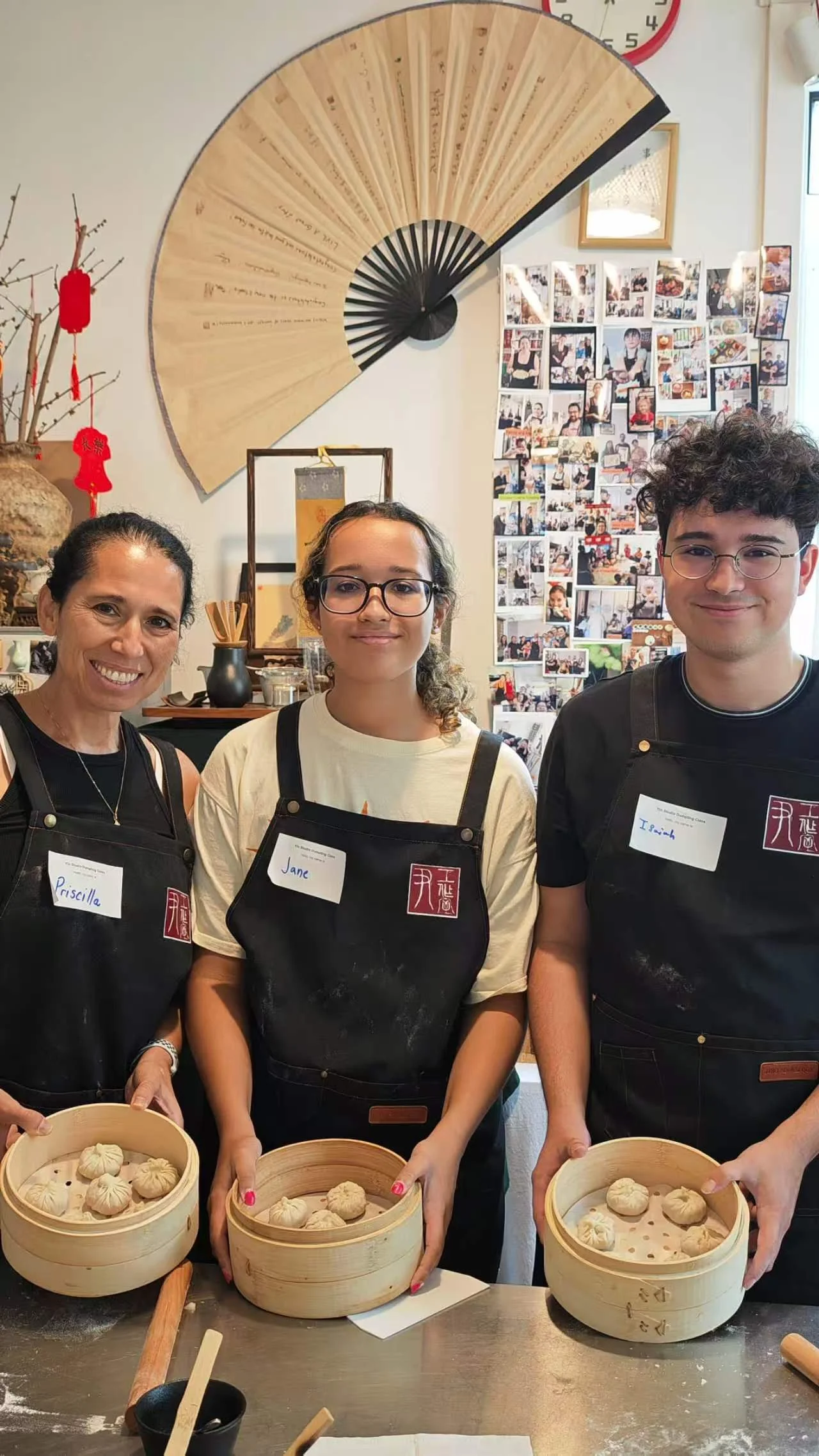
Soup dumpling final work at Yin Studio in Shanghai
“Sorry, I don't understand Cantonese!”
I had to laugh when Isaiah started talking to me in Cantonese during our xiaolongbao class.
His family had lived in Hong Kong before recently moving back to the United States, so the children could speak Cantonese, but Mandarin was a different story. And now, with Isaiah beginning university in Shanghai, he was about to get a lot more opportunities to use it.
Or at least, I hope so.
Luckily, there is one language that needs very little translation: the language of food.
Folding Xiaolongbao Together
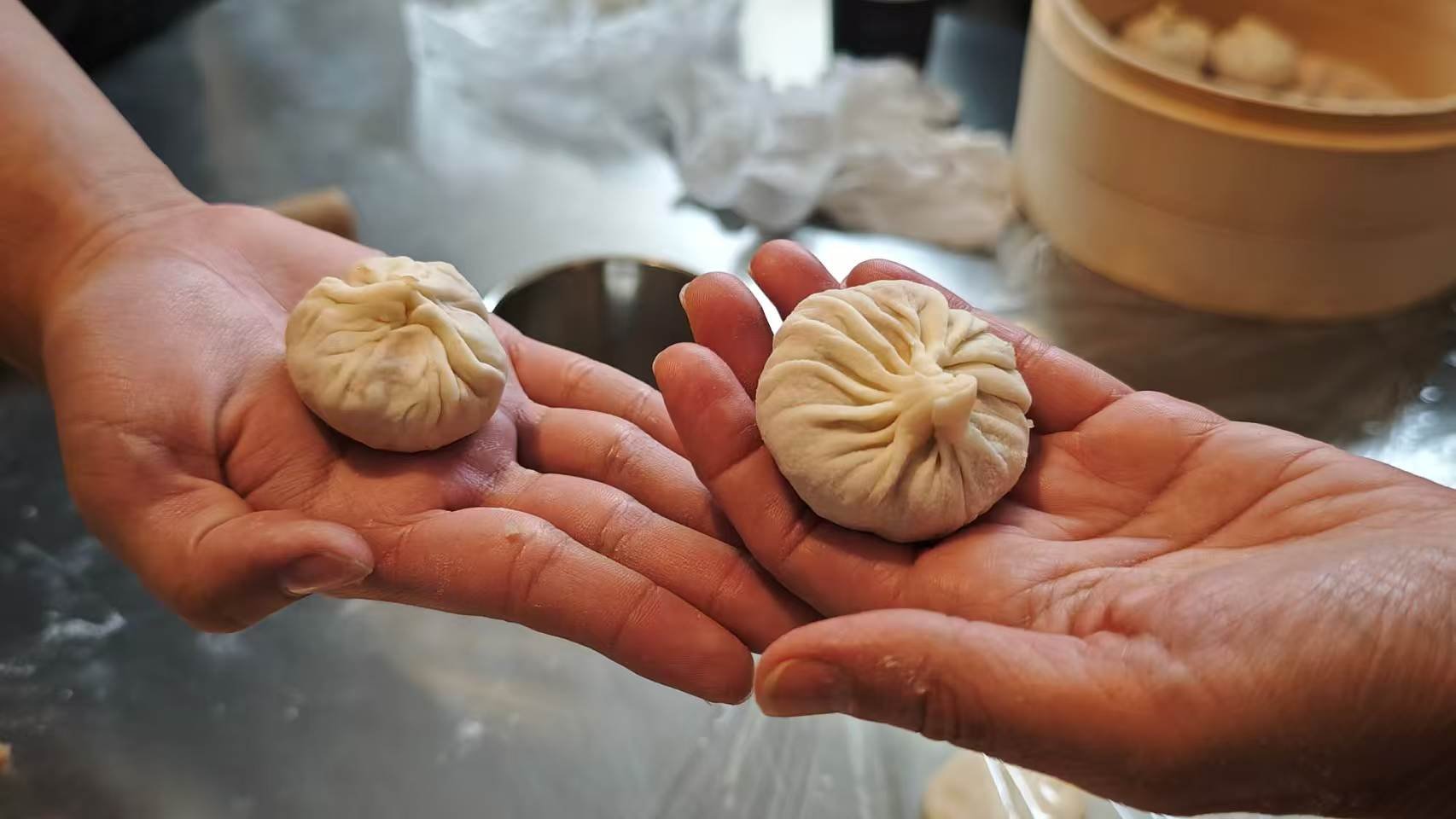
Best Soup dumpling at our soup dumpling party
The family came to Yin Studio for a private xiaolongbao-making experience. Their father, who works as a lawyer in Hong Kong, had arranged the class for them after hearing about us from a colleague who works in Shanghai.
He had also mentioned that his wife and children were already big fans of xiaolongbao, so we knew we had some serious dumpling lovers coming in.
And they didn't disappoint.
Everyone did a great job, but Priscilla, the mother, was particularly impressive. She has a background in baking, and you could see that experience in the way she handled the dough. She was comfortable with texture, pressure and shaping, and her xiaolongbao came together beautifully.
Jane also picked up the techniques quickly.
Isaiah, meanwhile, seemed to be enjoying the cooking itself more than anything else. He was curious, engaged, and clearly someone who likes being in the kitchen.
Which led to a slightly unconventional piece of advice from us:
Why not have a dumpling party at university?
A Dumpling Party Might Be the Best Way to Make Friends
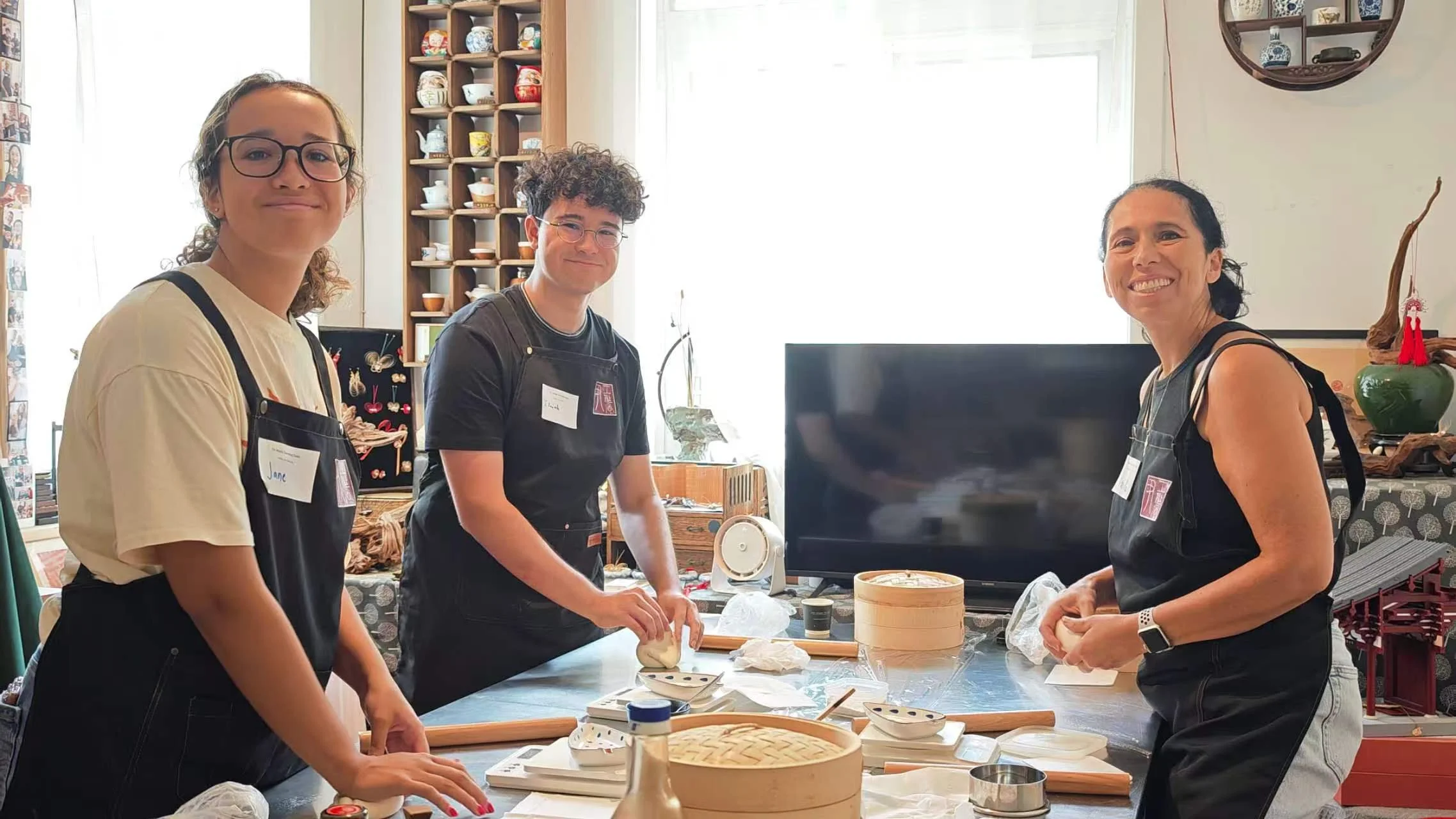
Family time for soup dumpling making with Yin Studio in Shanghai
Starting university in a new city means meeting a lot of new people.
So we suggested that Isaiah could teach his classmates how to make dumplings.
He could buy some flour, prepare a filling, invite a few people over, and turn a simple evening in the dorm into a dumpling-making party.
There is something very Chinese about gathering around a table, making food together, and talking while your hands are busy.
And you don't need perfect Mandarin to make friends that way.
In fact, you may not need much language at all.
Someone rolls the wrappers. Someone folds the dumplings. Someone inevitably makes one that looks completely different from everyone else's.
Then you cook them and eat together.
That's a pretty good way to start a friendship.
From Dumplings to a Garden Full of Stories
The conversation during the class wandered well beyond food.
Priscilla showed me photos of her garden back home. Among the pictures were several beautiful chickens—and even bees that she keeps for honey.
It was one of those unexpected conversations that can happen around a kitchen table.
We started with xiaolongbao, moved to baking, then gardens, chickens and bees, and eventually came back to food.
She also told me that she was very interested in learning how to make char siu bao.
Fortunately, that's another class we offer.
So perhaps the xiaolongbao wasn't the end of the story.
Maybe next time, we'll be working with steamed buns instead.
More Than a Cooking Class
What stayed with me after this class was not simply how well everyone made their dumplings.
It was the feeling behind the visit.
For Isaiah, Shanghai is becoming the place where he will begin a new stage of life.
For his mother, this trip was also a chance to explore the city, help him settle in, and make some of the unfamiliar feel a little more familiar.
And for his father, who was not in Shanghai but had arranged the experience from Hong Kong, choosing a local cooking studio recommended by someone he trusted was perhaps one small way of helping his family feel at home.
After the class, we heard from him again.
He said:
“We are happy to leave our son in such a beautiful city.”
That sentence stayed with us.
A cooking class usually lasts only a few hours. But sometimes, the meaning of those few hours goes beyond the food you make.
Perhaps it becomes part of someone's first memories of a new city.
A kitchen table.
A few handmade dumplings.
A conversation in a language you don't quite understand.
And the beginning of a new life in Shanghai.
We were very happy to be a small part of theirs.
And next time, we're looking forward to making char siu bao together.
Culture Note:
Why Dumplings Bring People Together
Dumplings are often associated with family gatherings, celebrations and togetherness in Chinese culture.
But you don't have to be Chinese—or even speak Chinese—to enjoy the social side of making them.
The process naturally brings people together. You prepare the filling, roll the wrappers, fold the dumplings, cook them and eat them together.
That's why dumpling making can be such a wonderful way to meet people and experience Chinese food culture from the inside, rather than simply eating the finished dish.
Beginner Chinese:
包饺子 — bāo jiǎozi — to make/fold dumplings
Try these simple phrases the next time you make dumplings with friends:
你会包饺子吗?
Nǐ huì bāo jiǎozi ma?
Can you make dumplings?
我们一起包饺子吧!
Wǒmen yìqǐ bāo jiǎozi ba!
Let's make dumplings together!
你包得很好!
Nǐ bāo de hěn hǎo!
You fold them very well!
一起吃吧!
Yìqǐ chī ba!
Let's eat together!
🍳 Chinese Cooking Class
Cook authentic Chinese dishes with local ingredients.
Read More →
📖 Guest Stories
Read more stories from our guests in Shanghai.
Read More →